
Saramsh Gautam on Sep 18, 2026
Reading Time: 7 Min
Hiring skilled software engineers in the U.S. has become slow and expensive. Many companies spend months searching for talent as salaries keep rising.
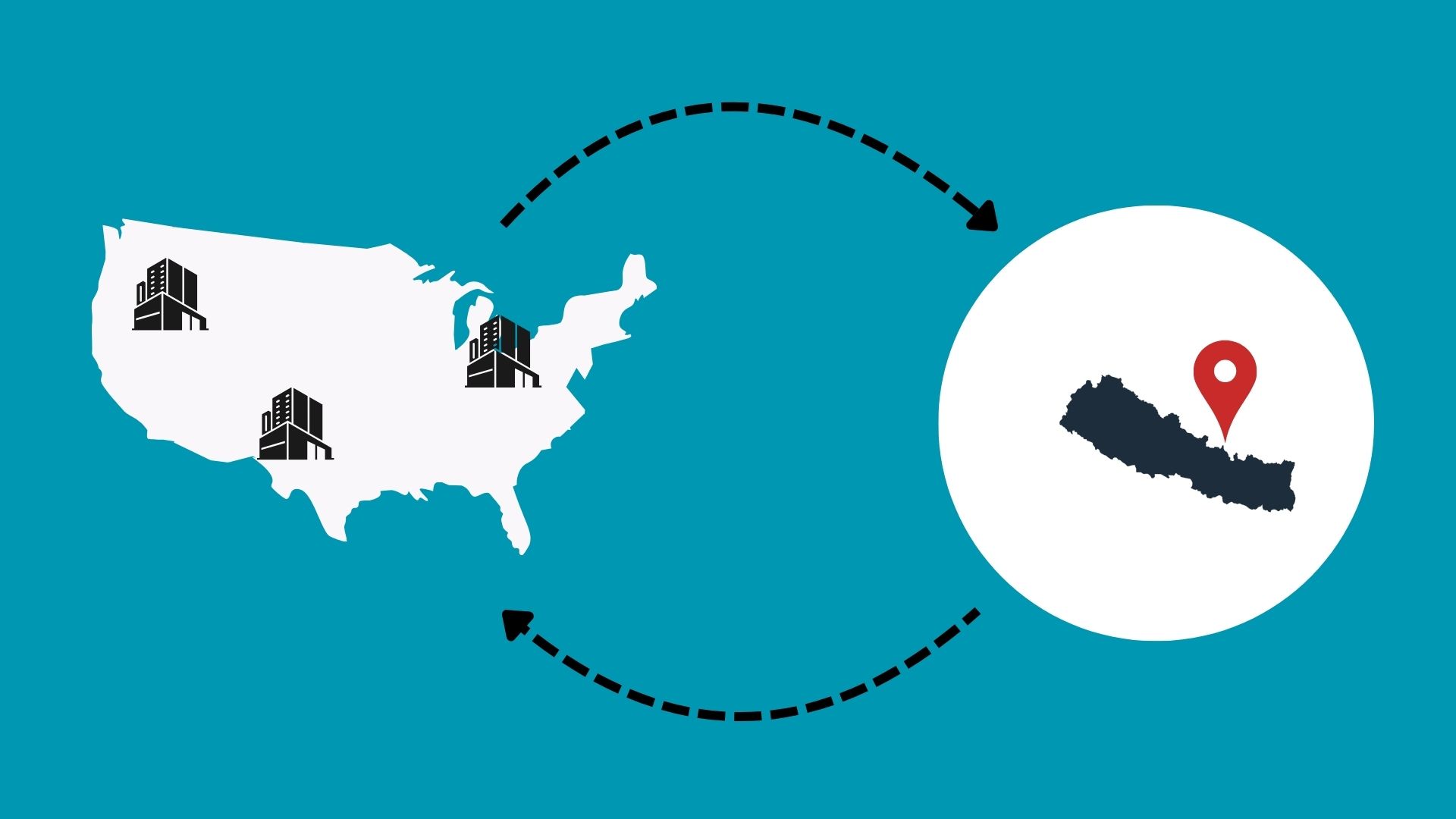
Geography no longer has to be the limit. With a Build-Operate-Transfer (BOT) model, companies can build a dedicated engineering team in Nepal without handling local incorporation, HR, payroll, or compliance.
Example: Instead of spending 6+ months and paying high legal fees to register a company in Nepal, teams using BOT can have vetted engineers working on their product within weeks—fully compliant and ready to ship.
Here’s how it works.
Why Nepal Is Becoming an Attractive Engineering Destination
According to industry trends, U.S. companies are increasingly adopting global talent strategies because finding skilled engineers quickly while controlling costs has become increasingly difficult, and technology work is no longer limited by geography.
Several factors make Nepal attractive for American businesses.
Nepal has quietly become an emerging offshore development center, offering talent at affordable rates, faster hiring, and cultural compatibility.
1. Growing Technology Talent
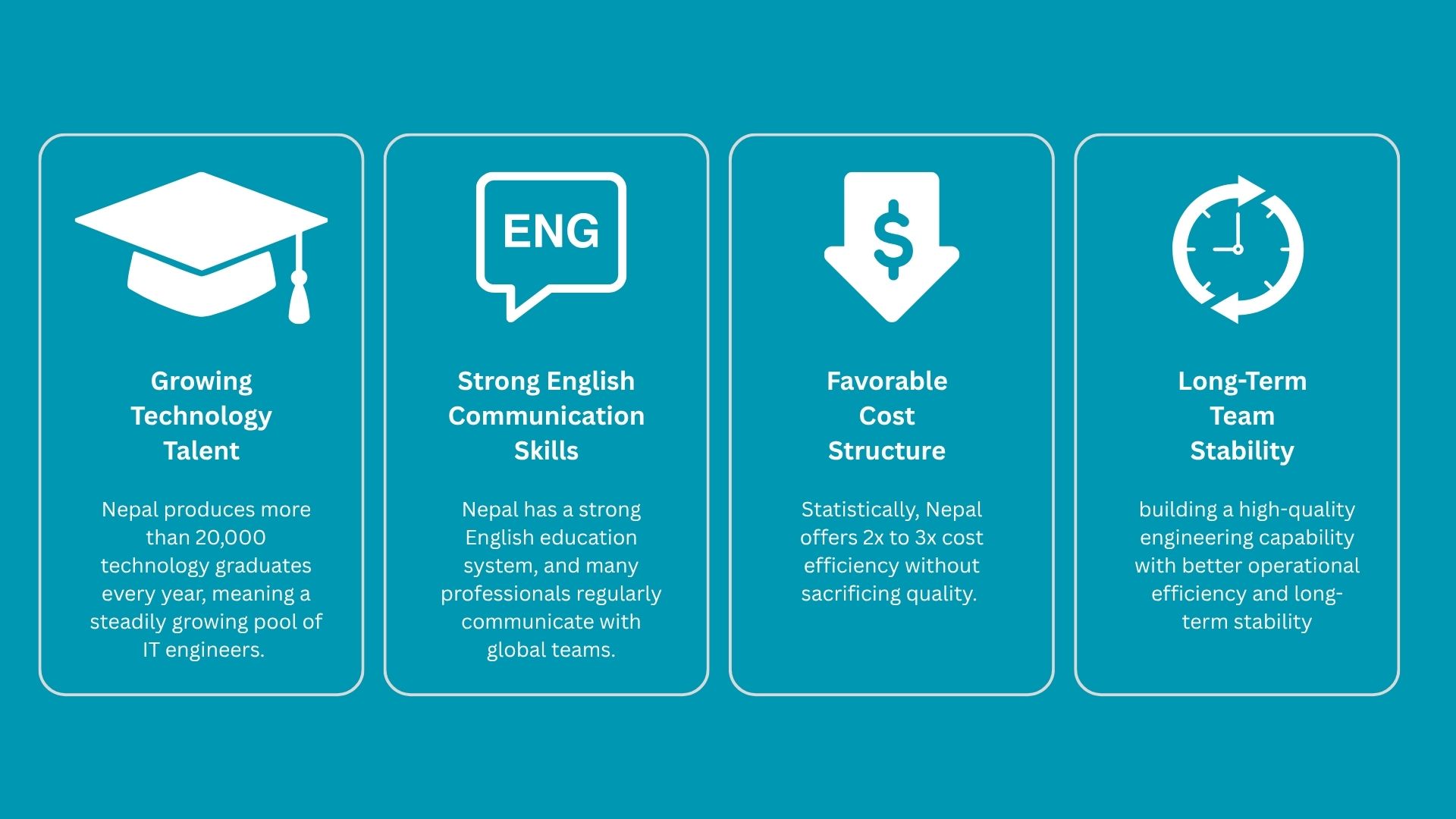
Nepal produces more than 20,000 technology graduates every year, meaning a steadily growing pool of IT engineers.
Moreover, engineers in Nepal work with modern technologies including:
- JavaScript frameworks, Laravel, and PHP
- Python
- Cloud platforms
- AI and LLMs
- DevOps tools
Nepal has a strong cloud-first culture, and many developers already have experience working with international clients.
2. Strong English Communication Skills
Nepal has a strong English education system, and many professionals regularly communicate with global teams.
This helps American companies collaborate through:
- Daily standups
- Sprint planning
- Code reviews
- Product discussions
- Technical meetings
3. Favorable Cost Structure
A single experienced software engineer in the United States costs far more in salary, healthcare benefits, taxes, recruitment fees, and office expenses than in Nepal.
An offshore engineering team in Nepal can provide access to skilled professionals at a more efficient cost.
Statistically, Nepal offers 2x to 3x cost efficiency without sacrificing quality.
4. Long-Term Team Stability
The goal is not simply cheaper labor; it’s building a high-quality engineering capability with better operational efficiency and long-term stability.
Nepal’s technology sector offers a stable workforce of engineers with several years of professional experience.
How to Build an Offshore Engineering Team in Nepal without Opening a Local Entity?
If you don't want to open a local office or company in Nepal and just want access to engineering talent, you can use an intermediary framework.
Two popular paths exist:
1. Employer of Record (EOR)
A local legal entity in Nepal employs your staff on your behalf. They own the team and handle taxes, human resources, and local labor laws while your team writes code directly for your product.
2. Build-Operate-Transfer (BOT) Model
A specialized partner builds your team, sets up the workforce, manages day-to-day operations, and then transfers full ownership of the team and assets to you after a set timeframe.
How Does the Offshore BOT Model Work?
The Offshore Build-Operate-Transfer (BOT) model is a business approach in which a company builds a dedicated offshore engineering team in another country with the help of a local technology partner.
Instead of opening a foreign office, hiring employees, setting up infrastructure, and managing legal requirements from day one, the company partners with an offshore provider that handles the initial setup and operations.
Over time, the offshore team becomes a fully owned extension of the company.
|
Phase |
What Happens |
Offshore Partner Responsibility |
Outcome |
|
1. Business Requirement & Planning |
Define offshore team goals, required skills, team size, technology stack, and timeline. |
Understand business needs and propose the right team structure. |
A clear roadmap for building the offshore engineering team. |
|
2. Build Phase: Team Creation |
The offshore partner creates a dedicated engineering team based on client requirements. |
Recruit developers, QA engineers, DevOps engineers, architects, and other roles. Conduct technical screening and hiring. |
A dedicated team aligned with the client's requirements. |
|
3. Infrastructure Setup |
Prepare the engineering team's working environment. |
Arrange office space, hardware, internet, security systems, collaboration tools, and IT support. |
A fully operational offshore engineering center. |
|
4. HR & Employee Management Setup |
Handle local employment operations. |
Manage employment contracts, onboarding, employee records, benefits, and local HR processes. |
Employees work as a dedicated extension of the client's team. |
|
5. Payroll & Compliance Management |
Manage employee-related financial and legal responsibilities. |
Process salaries, taxes, benefits, compliance documentation, and local regulations. |
No need for the client to manage foreign payroll systems. |
|
6. Operate Phase: Daily Team Execution |
The offshore team starts working on real projects. |
Manage local operations, employee support, workplace issues, and administration. |
The offshore team operates like an internal engineering department. |
|
7. Communication & Collaboration |
Establish effective communication between teams. |
Provide management support and ensure smooth coordination. |
Strong collaboration between US and offshore teams. |
|
8. Performance & Growth Management |
Improve team capability over time. |
Support training, retention, career development, and operational improvements. |
A stable, experienced engineering team. |
|
9. Transfer Preparation |
Prepare the offshore center for ownership transition. |
Document processes, operations, employee details, and infrastructure. |
A ready-to-own offshore engineering operation. |
|
10. Transfer Phase |
Ownership moves from the offshore partner to the client. |
Transfer employees, office operations, infrastructure, and processes. |
Client owns and manages its offshore engineering team directly. |
Step-by-Step Guide to Building an Offshore Engineering Team in Nepal
Many companies think offshore hiring simply means finding developers. But a successful offshore team requires multiple systems working together.
With the right approach, you can build an Offshore Development Center (ODC) in Nepal within 90 days.
Here’s a simple roadmap.
Step 1: Define clear business goals and team requirements.
- Identify why you want to build an offshore team.
- Define project goals, required skills, team size, roles, and expected outcomes.
- Decide whether you need developers, QA engineers, DevOps specialists, designers, or technical leaders.
Step 2: Select the right technology stack
- Decide the programming languages, frameworks, databases, cloud platforms, and development tools your team will use.
- Create technical guidelines to ensure consistency across the team.
Step 3: Create a complete cost and resource plan
- Calculate the total investment, including salaries, infrastructure, management costs, and operational expenses.
- Factor in onboarding time, since new team members need time to learn your product, processes, and company culture.
Step 4: Choose the right hiring model
- Decide whether you want to hire through a BOT partner, staffing provider, agency, or Employer of Record (EOR).
- Select a model that fits your ownership, compliance, and long-term growth plans.
Step 5: Recruit and select the engineering team
- Find qualified candidates based on your technical requirements.
- Conduct technical interviews, evaluate experience, and select engineers who match your company’s standards.
- Build a team that aligns with your product goals and engineering culture.
Step 6: Complete legal agreements and compliance setup
- Finalize employment contracts, intellectual property agreements, payment terms, and confidentiality agreements.
- Ensure all source code, documentation, and project assets belong to your company.
Step 7: Establish communication and collaboration processes
- Set up communication channels using tools like Slack, Microsoft Teams, Jira, or similar platforms.
- Define daily standups, sprint planning, sprint reviews, and reporting processes.
- Create overlapping working hours to improve collaboration between locations.
Step 8: Start project execution
- Assign development tasks and allow the team to begin working on real projects.
- Help engineers understand the existing codebase, architecture, business logic, and customer requirements.
Step 9: Monitor performance and address challenges
- Track productivity, communication, code quality, and delivery timelines.
- Identify problems such as unclear requirements, missed deadlines, technical gaps, or communication issues early.
- Provide support and improvements where needed.
Step 10: Prepare for ownership transfer (BOT model)
- Document processes, operations, employee information, and infrastructure.
- Create a transition plan for taking complete ownership of the offshore engineering center.
Step 11: Operate a fully integrated offshore engineering center
- Manage the offshore team as an extension of your company.
- Continue improving technology, processes, and team capabilities while maintaining long-term business alignment.
Final Thoughts
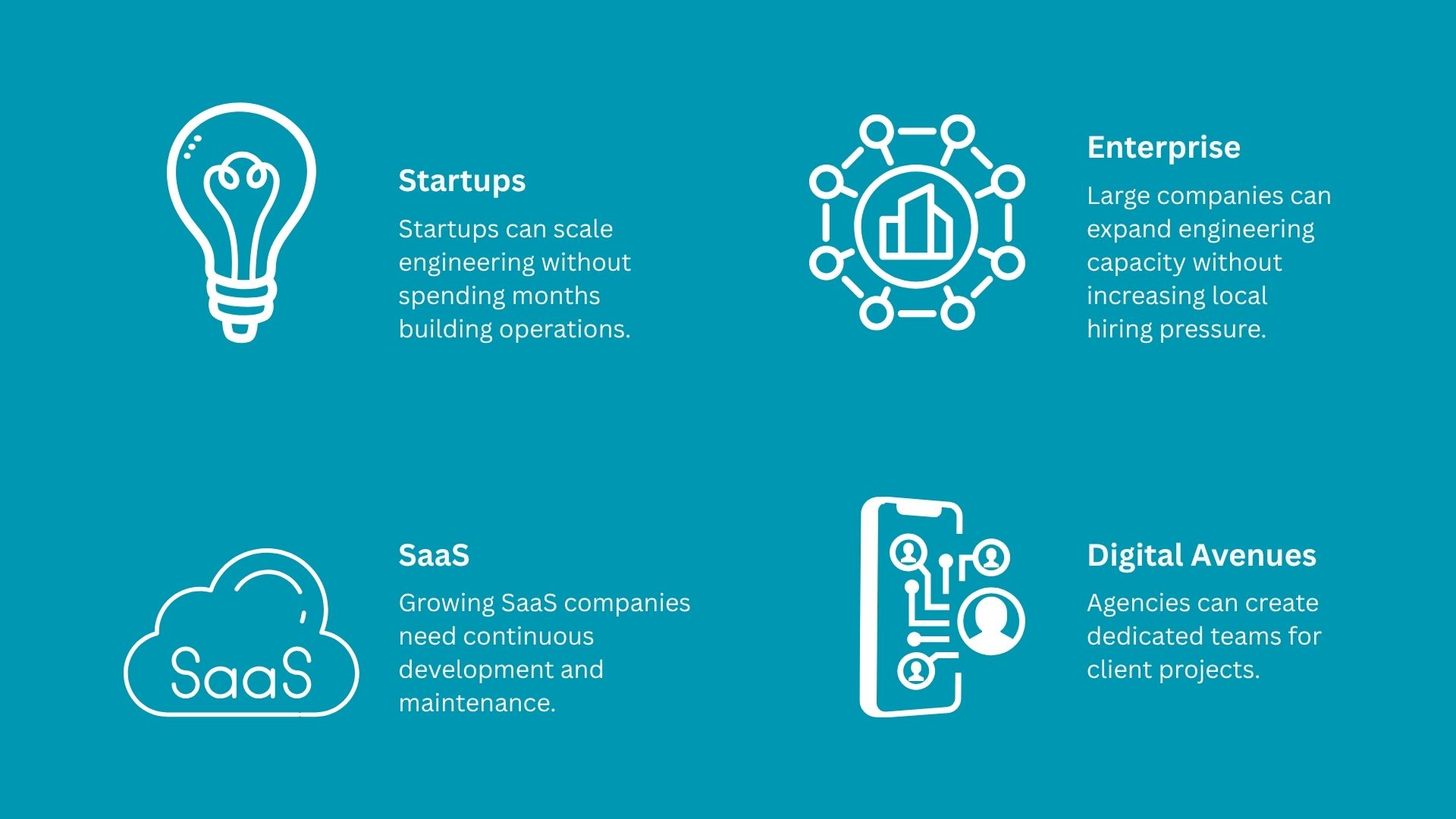
With the right approach, the offshore BOT model lets American companies access talented engineers, build dedicated teams, and scale technology operations while avoiding the complexity of foreign setup.
Get in touch with Searchable Design, a dedicated BOT center in Nepal that caters to all of your offshore engineering team development needs.
Comments(0)
Your email address will not be published. Required fields are marked *
Recommended Posts
Unlock the Secret of Power BI to Empower Your Data Analysis
Turn Raw Data into Real-Time Intelligence with Power BI
Why More Startups Are Offshoring Data Engineering Roles in 2026
Unlocking Global Talent for Faster, Smarter, Scalable Growth through Offshoring Data Engineering
How to Empower Your Web Development Project in 2025?
Empowering Your Web Build with the Right Strategy, Stack, and Global Talent Network
RECOMMENDED TOPICS
TAGS
- offshoring
- outsourcing
- artificial intelligence
- remote team
- nepal
- web development
- bot model
- data analytics
- digital marketing
- it support
- business process automation
- offshore
- legacy software
- saas
- app development
- sprint planning
- remote engineering
- development
- recommender engine
- ai engine
- cybersecurity
- growth hack
- tiktok
- seo
- voice search optimization
- engineering team
- modular app
- cloud based
- api based
- data entry
- api workflow
- service level agreements
- data warehouse
- database
- cloud storage
- engineering
- bot
- scalability
- remote engineers
- insurtech
- global talent pool
- techical consulting
- power bi
- business intelligence
- backoffice
- communication
- outsource
- it roles
- data engineering
- data engineer
- content development
- business development
- offshore talent
- agentic ai
- insurance
- web security
- project management
- pms
- project management system
- agile methodology
- data
- data centric approach
- customer insight
- it infrastructure
- it sustainability
- cloud computing
- data decision
- off
- test
About
Data Not Found
NEWSLETTER
Related Posts

How to Empower Your Web Development Project in 2025?
Empowering Your Web Build with the Right Strategy, Stack, and Global Talent Network

Benefits of Technical Consulting in Professional Marketing Strategy
Bridging Innovation and Strategy for Unstoppable Growth